ConstructionSeptember 14, 20264 min read
How a construction time-lapse is actually made.
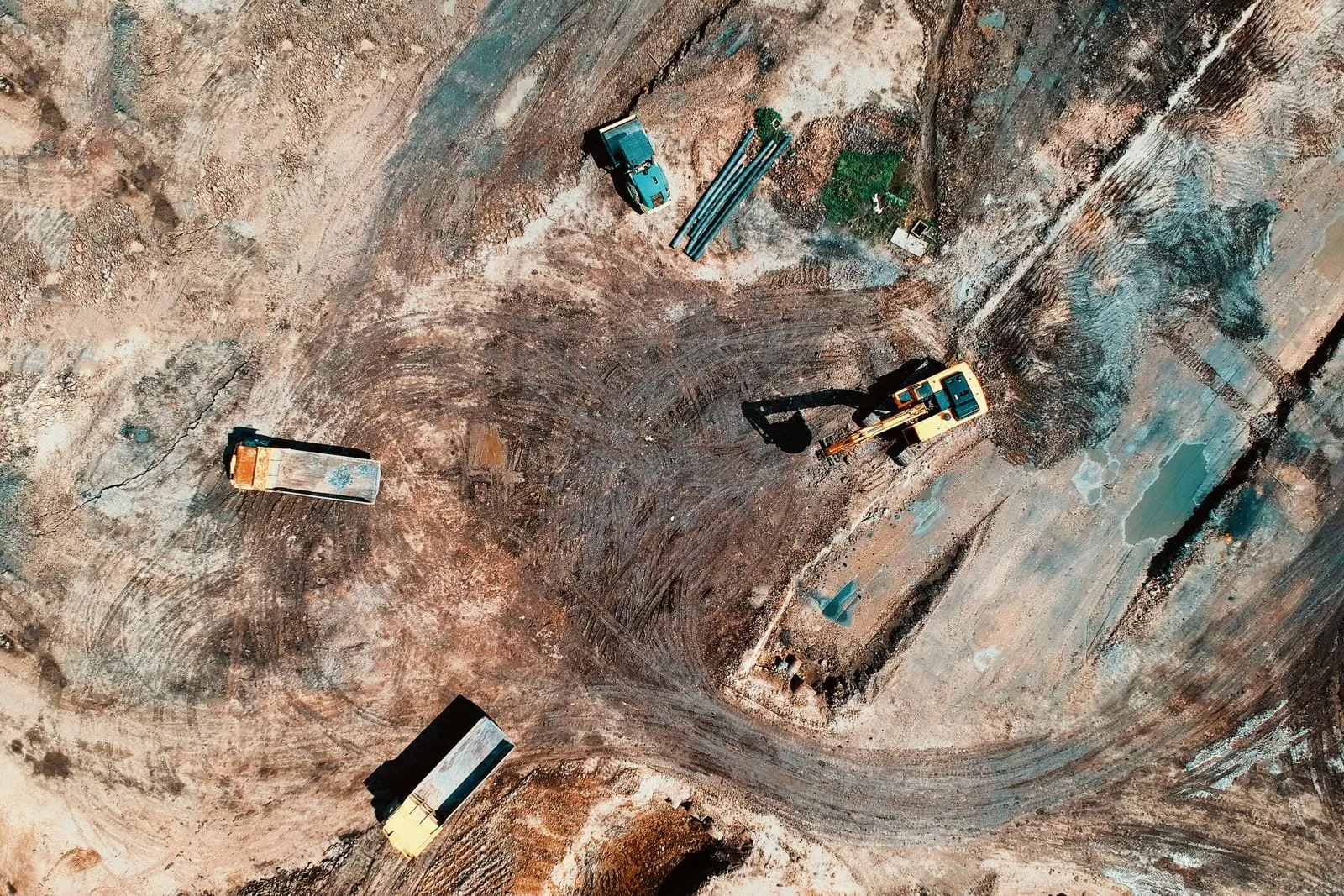
Builders see the finished film and assume there was a camera bolted to a pole for a year and a half. Some projects do use one, but the films that end up on a developer's website, in a lender deck or in front of the next investor are built differently. They are a schedule of visits, a fixed set of angles and an edit.
The schedule comes first.
Before the first visit, we agree on how often the site gets photographed and for how long. A custom home in Clermont might be monthly for ten months. A commercial build in Wildwood might be every two weeks through the structure and monthly through finish. The cadence follows the construction schedule, so the visits land after the milestones a client wants to see: cleared and pad poured, slab, framing, dried in, exterior finish, landscape.
A recurring visit is also the raw material for monthly progress reports, which is why many of our construction clients run both from the same appointment. Read the construction progress photography guide for how the reporting side works.
Matched framing is the whole trick.
A time-lapse only works if every visit is shot from the same spots. On the first visit we pick a handful of fixed positions: two or three aerial points with the drone, recorded by GPS and altitude, and two or three ground positions marked against something permanent, like a property pin or a utility pole. Every later visit returns to the same coordinates, the same heading and the same lens, so when the frames are stacked, the building rises out of the ground and the camera does not move.
That is also why the pole camera is not the answer by itself. It sees one angle. A build is sold from the air.
The hyperlapse pass.
A hyperlapse is the moving version: the drone flies the same path over the site on each visit, and the passes are blended so the camera appears to orbit the project while it is built. It is the shot that opens most developer films. It needs a repeatable flight path, calm wind and the same time of day on each visit, so we schedule these for the morning.
Safety on an active site.
Every flight is flown by an FAA Part 107 certified and insured pilot, coordinated with the site supervisor before we arrive, and planned to keep crews, cranes and neighbors clear. We fly from outside the fence where we can, and we do not fly over people.
The edit.
At the end of the build, the stills from each position are aligned, color matched across seasons, and cut to music with the hyperlapse passes between them. The finished film runs sixty to ninety seconds. Along the way, each visit's photos are delivered within 24 hours, so the client has current progress images for the whole life of the project, not only the film at the end.
Planning a build? See our construction time-lapse and hyperlapse, read how to get your site ready for construction photos, then book a construction shoot online.
Keep Reading
Construction
Construction progress photography: a builder’s field guide.
Read the PostDrone & Aerial
Selling land in Central Florida: why the aerial is the listing.
Read the PostFor Sellers
How to get your home ready for listing photos, room by room.
Read the PostConstruction